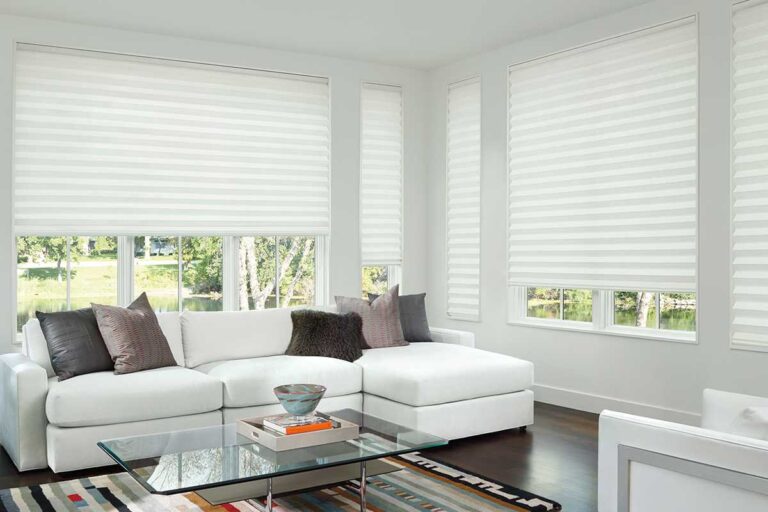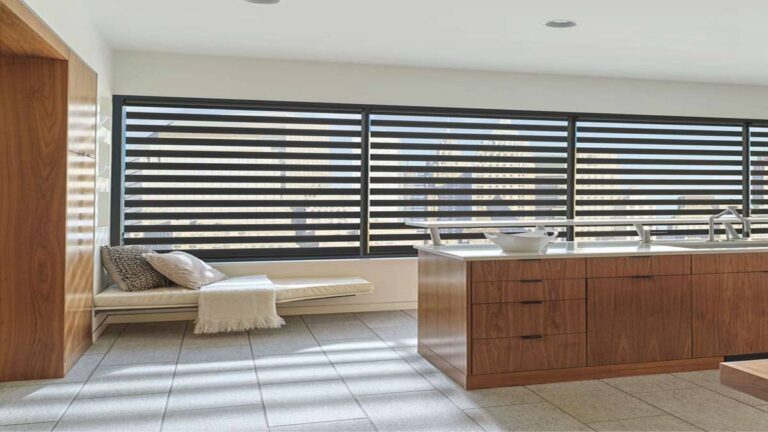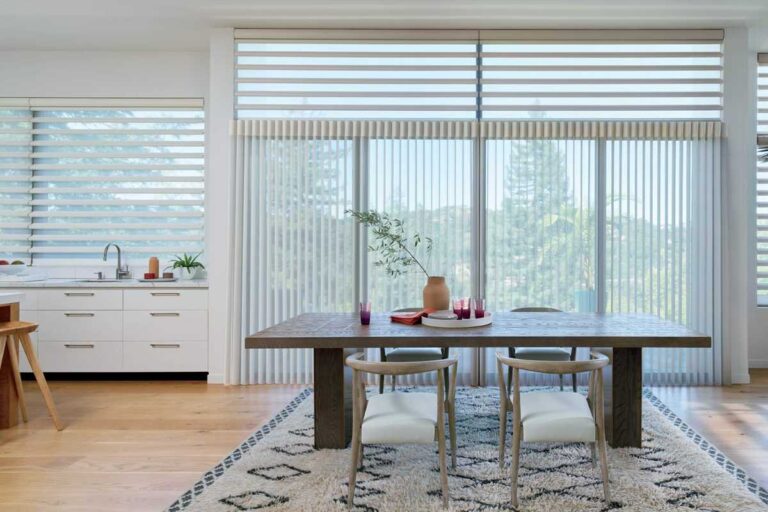

window film or blinds and shades

Window Film vs Blinds and Shades for Light Control and Energy Savings

Privacy, sun control, and heat and cold control are the three things to weigh when you decide on blinds and shades or window film. Blinds, shades, shutters, and draperies handle all three, so we recommend them whenever those are your goals.

Window film has a few deficiencies worth knowing. It offers no privacy at night and can dim your view outside. It still works well for a minimalist look, and it can protect your window coverings from UV light.

What Window Film Does Well

Heat and Light Control

Window film does a nice job of reflecting or absorbing heat and light. It also blocks ultraviolet light, a benefit that matters most when you pair film with blinds, shades, or shutters.

A Minimalist Look for Your Windows

If you want a minimalist look with nothing on your windows, window film is a great option for you. The film is simply something you see through, so your windows stay uncovered.

Pro Tip: Choose window film when an uncovered window is your top priority. If you need privacy or design, a window covering will serve you better.

The Limits of Window Film You Should Know

No Privacy at Night

If you expect window film to give you privacy at night, that isn’t possible. When the lights are on inside your house and it’s dark outside, people can see right through the film.

Color Changes, Dimmer Views, and Bubbles

The same film that controls heat and light also alters the colors you see outside. Think of looking through sunglasses, where everything appears a little grayer, a little dimmer, and less crisp. Window film has that same effect on your view.

Over time, some films can also change color and create bubbles in the window. Not all films do this, so we recommend asking about it before you buy.

Key Takeaway: Window film gives you no privacy at night, dims your view, and some films can change color or bubble over time.

Why Blinds, Shades, Shutters, and Draperies Offer More Control

Privacy, Sun Control, and Temperature Control in One

If you want privacy, sun control, and heat and cold control, window coverings are a much better option than film. That includes blinds, shades, shutters, and draperies. We recommend them for any room where you need all three.

Design that Film Can’t Offer

Window coverings also add an element of design to your home. There isn’t much design to window film, since it’s just something you see through.

Need expert help choosing blinds, shades, shutters, or draperies? Contact One Stop Decorating for a free consultation.

Comparing Window Film or Blinds and Shades

Side-by-Side Comparison

Feature Window Film Blinds, Shades, Shutters, and Draperies
Privacy at night Not possible when lights are on inside Much better option for privacy
Sun, heat, and cold control Reflects or absorbs heat and light Much better option for sun, heat, and cold control
Changes over time Some films change color or bubble Wood blinds can warp, shutters can crack, and fabric shades can change color
Design Very little Adds an element of design
Minimalist look Great option Covers the window
UV protection Blocks ultraviolet light Protected when paired with window film

Choosing Blinds and Shades or Window Film for Your Home

Choose window film if you want a minimalist look and heat and light control with nothing on your windows. Choose blinds, shades, shutters, or draperies if you want privacy, sun control, heat and cold control, and design.

Pro Tip: You can combine window film with window coverings. Pair them when you want the benefits of both in the same room.

Why Use Window Film and Window Coverings Together

UV Protection for Your Window Coverings

Window film and window coverings also work well as a pair. Film does a nice job of blocking ultraviolet light, which helps protect your window coverings.

Protecting Wood Blinds, Shutters, and Fabric Shades

We suggest adding window film to windows with wood blinds, shutters, or fabric shades. The film helps:

  1. Keep wood blinds from warping
  2. Keep shutters from cracking
  3. Keep fabric shades from changing colors over time

Get the Right Light Control for Your Home

Our Recommendation

Window film works well for a minimalist look and for controlling heat and light. For privacy, sun control, heat and cold control, and design, we recommend blinds, shades, shutters, and draperies. Pairing both protects your window coverings.

Schedule Your Consultation

Our team at One Stop Decorating can walk you through your options for every room in your home. Contact us today to schedule a free consultation, and we’ll help you choose window film or blinds and shades, or the right combination of both.

plantation shutters on every window

Should You Put Plantation Shutters on Every Window?

Whether to put plantation shutters on every window is one of the most common questions we field from homeowners planning a full window treatment project. The right call depends on your goals for light control, privacy, and curb appeal. Some homeowners want that unified look throughout the house. Others target specific rooms where function matters most, like bathrooms or front-facing bedrooms. Below, we break down when a whole-house approach makes sense and when it doesn’t.

Why Some Homeowners Choose Plantation Shutters On Every Window

Plantation shutters are one of the most versatile window treatments we install. They tilt open and closed, so you can adjust them for maximum light or shut them fully for privacy.

Consistent Style With Plantation Shutters On Every Window

Homeowners who want a cohesive style often carry shutters from the front of the house all the way to the back. This creates a clean, uniform appearance from the street and inside every room. Matching hardware and finishes across the house also mean that repairs or replacements never look out of place.

Better Light And Airflow Control

Because the louvers tilt independently, you can direct airflow exactly where you want it. This works especially well if you rely on open windows or an attic fan to keep air moving through the house.

Pro Tip: If airflow is a priority in certain rooms, ask your installer about louver size. Wider louvers let in more light and air when opened. Narrower louvers give you finer control over both.

Where Plantation Shutters Make The Biggest Impact

You don’t need shutters on every window to see a real return on the investment. Certain spots tend to deliver the most value.

Front-Facing Windows And Curb Appeal

Most of our clients start with the front of the house. This typically extends to front-facing bedrooms upstairs, giving the entire front elevation a polished, matching look.

Bathrooms And Specialty Windows

We install a lot of shutters in master bathrooms, often on just one window. Split shutters let you close the bottom half over a tub for privacy while keeping the top open for natural light and a view.

Key Takeaway: A single well-placed shutter can solve a specific problem, like bathroom privacy, without the cost of outfitting the whole house.

Need expert help deciding which windows make the most sense for shutters? Contact One Stop Decorating for a free consultation.

Weighing Full-House Shutters Against Select Rooms

Budget And Priorities

If your budget allows it, a whole-house approach delivers the most consistent style. If you’re working with a tighter budget, prioritizing front windows and specialty rooms still delivers strong visual and functional results.

Making The Right Choice For Your Home

There’s no single right answer here. It genuinely comes down to what you want. Some clients choose one specialty window, some choose a handful of rooms, and others go all in. Walking through your home room by room with an installer usually makes the decision clear.

Making The Final Call On Every Window

There’s no rule that says every window needs the same treatment. What matters is choosing the rooms where shutters improve your daily life, whether that’s curb appeal out front, privacy in the bathroom, or airflow throughout the home. If you’re ready to map out a plan for your home, our team at One Stop Decorating can help you decide exactly where plantation shutters on every window make sense, and where they don’t.

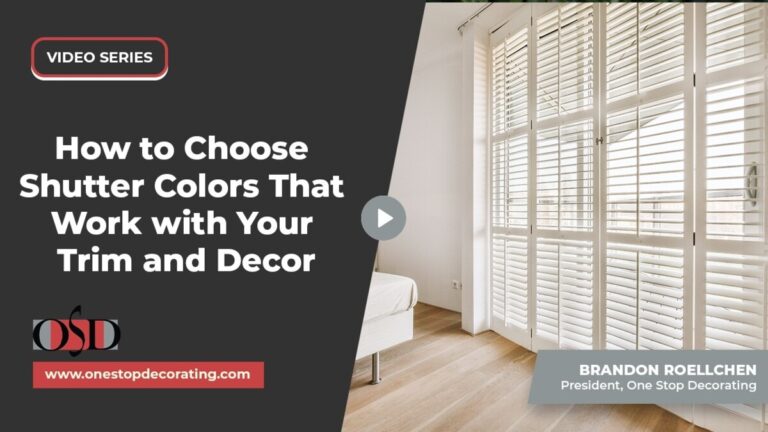
choose shutter colors

How to Choose Shutter Colors That Work with Your Trim and Decor

ingColor is the decision that trips up more homeowners than any other when picking new shutters. Shutter colors that work with your trim and decor can match your existing woodwork, blend with your walls, pick up a wood stain from your cabinets, or contrast the rest of your space for a bolder look. Each option supports a different design goal, so it helps to see them side by side before you decide.

Your Main Options for Shutter Colors That Work with Your Trim and Decor

There are several directions to take when picking a shutter color, and each one fits a different design goal.

Matching Your Trim

Keeping your shutter color a match to your existing trim keeps your window treatments consistent with the woodwork you already have.

Matching Walls, Cabinets, or a Wood Stain

You can also match your walls, or choose a wood stain color that lines up with your cabinets or trim, tying your shutters to a finish already in the room.

Key Takeaway: Matching your trim keeps your shutters consistent with the woodwork you already have. Matching your walls or a wood stain instead ties your shutters to a different finish already in the room. Either approach gives you a cohesive look built around something already in your space.

Neutral vs Contrast: Choosing a Direction

The next step is deciding between a neutral shade and a color that contrasts with the rest of your space.

Why Light, Neutral Colors Are the Most Common Choice

In our experience, most homeowners choose a light, neutral color that matches their trim, for practical reasons:

  • Easier remodeling later. A light neutral shutter color makes it easy to change carpet, rugs, furniture, or draperies later, since it isn’t tied to any one of those choices.
  • Fits your decor as it changes. Neutral shutters aren’t tied to a single trend, so they continue to fit as your decor evolves.

Pro Tip: If you expect to update your carpet, rugs, furniture, or draperies in the coming years, a light neutral shutter color gives you the most room to do that without your shutters feeling out of place.

When a Contrast Color Fits Better

A contrast color is another option, one that stands out rather than blends in and reflects your personality through your window coverings. This route makes sense when personal style matters more to you than blending in with future changes.

Need expert help picking the right shutter color for your trim and decor? Contact One Stop Decorating for a free consultation.

Shutter Colors and Home Value

If you are planning to put your home on the market, your shutter color choice carries extra weight.

Neutral Shutter Colors That Work with Your Trim and Decor Appeal to Buyers

Neutral window coverings, especially shutters, help enhance the value of your house to prospective buyers, worth considering even if a bold color appeals to you personally.

Making Your Final Decision

Key Takeaway: The decision comes down to personality versus broad appeal, and both are valid depending on whether you’re decorating for the long term or thinking ahead to a sale.

Choosing the Shutter Color That Is Right for You

Whether you match your trim, match your walls, pick a wood stain, or go with a bold contrast, the color you choose should fit how you plan to live in and eventually sell your home. Our team at One Stop Decorating can walk you through shutter colors that work with your trim and decor so you feel confident in your final choice.

are corded blinds illegal

Are Corded Blinds Illegal? What Homeowners Should Know in 2026

Window covering cords have taken lives in American homes, and the federal government has responded. Over the last few years, we have watched federal regulators step directly into how window coverings are made and sold, all to protect children and pets. That shift has left many homeowners unsure whether their corded blinds are illegal or simply outdated. Before you replace anything, it helps to understand what the rules cover and which options the industry now offers.

Are Corded Blinds Illegal? What the Federal Rules Say

What the Regulations Ban

The federal government has outlawed dangling cords and large exposed cord loops on window coverings. The rule applies to how these products are sold, which is why the blinds and shades on the market today look different from the ones sold before it took effect.

Alongside the federal rules, the Window Covering Manufacturers Association (WCMA) has done a thorough job regulating cord loops, cords, and cord controls so that everyone stays safe and secure.

Why the Government Stepped In

The intent behind these rules is the safety of the American public, whether that means children or animals. It has been about five or six years since someone lost a life over a window covering, and these regulations are the reason. That track record is why we support the rules, even when they add cost.

Key Takeaway: Dangling cords and large exposed loops are outlawed on window coverings. The WCMA now regulates cords, cord loops, and cord controls.

How the Rules Affect Homeowners

A Little More Difficult, A Little More Expensive

We will be upfront with you. These regulations have made things a little more difficult and a little more expensive for homeowners. Safety and security come at a price, and the industry has accepted that cost.

Here is what the corded blind ban changed for shoppers:

  • Fewer corded products reach the market because dangling cords and exposed loops are outlawed.
  • Higher prices on some blinds and shades, the trade-off for safer designs.
  • More cordless and motorized options, which manufacturers added to fill the gap.

When Corded Blinds are Illegal to Sell

Designs with dangling cords or exposed loops can no longer be sold, and cordless and motorized products have taken their place on showroom floors. If your older blinds still have either one, the safest step is to replace them with a product that meets today’s standards. We help homeowners make that change every week.

Need expert help choosing child-safe window treatments? Contact One Stop Decorating for a free consultation.

Cordless and Motorized Alternatives

Cordless Window Coverings

A cordless window covering removes the dangling cord entirely, which is exactly what the federal rules set out to do. These versions now cover nearly every style we sell, so you can keep the look you want and drop the cord.

Motorized Blinds and Shades

Motorized blinds and shades have represented over half of our window covering sales in the last few years. That share tells us families want cords off the window for good, and they have adopted motorized and cordless products to keep their homes child-safe.

The government’s involvement keeps every sale compliant, and the result is a market where every new blind or shade arrives with safety built in.

Pro Tip: Ask about motorized options first. More than half of our customers choose them, and they satisfy every current cord safety rule.

Final Thoughts On Safe, Compliant Window Coverings

What This Means For Your Home

The government became involved so families stay compliant, and the WCMA regulated the cords, loops, and controls so families stay safe. Cordless and motorized window coverings are now the standard, and older blinds with cords or loops still in place are the ones worth replacing first.

Work with a Team that Knows the Rules

We have watched these regulations reshape our industry, and we have installed the cordless and motorized products that took their place. Schedule a free quote with One Stop Decorating today, and we will help you replace any corded blinds that are illegal to sell with safe, compliant window coverings.