
plantation shutters on every window

Should You Put Plantation Shutters on Every Window?

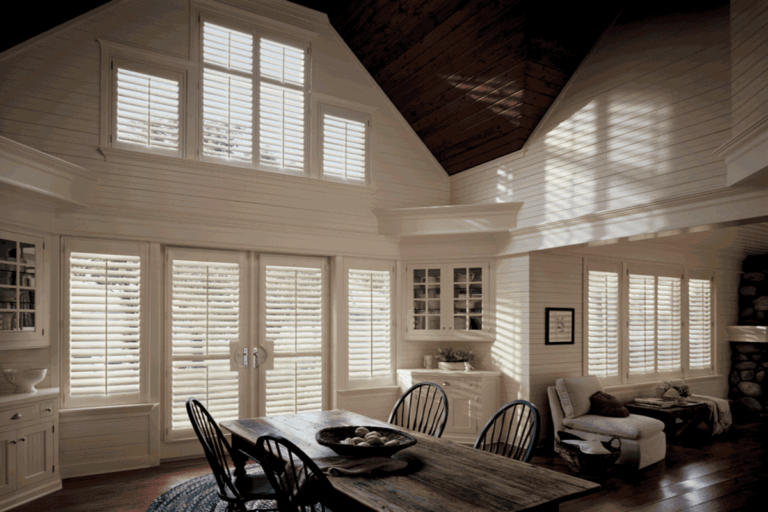
Whether to put plantation shutters on every window is one of the most common questions we field from homeowners planning a full window treatment project. The right call depends on your goals for light control, privacy, and curb appeal. Some homeowners want that unified look throughout the house. Others target specific rooms where function matters most, like bathrooms or front-facing bedrooms. Below, we break down when a whole-house approach makes sense and when it doesn’t.

Why Some Homeowners Choose Plantation Shutters On Every Window

Plantation shutters are one of the most versatile window treatments we install. They tilt open and closed, so you can adjust them for maximum light or shut them fully for privacy.

Consistent Style With Plantation Shutters On Every Window

Homeowners who want a cohesive style often carry shutters from the front of the house all the way to the back. This creates a clean, uniform appearance from the street and inside every room. Matching hardware and finishes across the house also mean that repairs or replacements never look out of place.

Better Light And Airflow Control

Because the louvers tilt independently, you can direct airflow exactly where you want it. This works especially well if you rely on open windows or an attic fan to keep air moving through the house.

Pro Tip: If airflow is a priority in certain rooms, ask your installer about louver size. Wider louvers let in more light and air when opened. Narrower louvers give you finer control over both.

Where Plantation Shutters Make The Biggest Impact

You don’t need shutters on every window to see a real return on the investment. Certain spots tend to deliver the most value.

Front-Facing Windows And Curb Appeal

Most of our clients start with the front of the house. This typically extends to front-facing bedrooms upstairs, giving the entire front elevation a polished, matching look.

Bathrooms And Specialty Windows

We install a lot of shutters in master bathrooms, often on just one window. Split shutters let you close the bottom half over a tub for privacy while keeping the top open for natural light and a view.

Key Takeaway: A single well-placed shutter can solve a specific problem, like bathroom privacy, without the cost of outfitting the whole house.

Need expert help deciding which windows make the most sense for shutters? Contact One Stop Decorating for a free consultation.

Weighing Full-House Shutters Against Select Rooms

Budget And Priorities

If your budget allows it, a whole-house approach delivers the most consistent style. If you’re working with a tighter budget, prioritizing front windows and specialty rooms still delivers strong visual and functional results.

Making The Right Choice For Your Home

There’s no single right answer here. It genuinely comes down to what you want. Some clients choose one specialty window, some choose a handful of rooms, and others go all in. Walking through your home room by room with an installer usually makes the decision clear.

Making The Final Call On Every Window

There’s no rule that says every window needs the same treatment. What matters is choosing the rooms where shutters improve your daily life, whether that’s curb appeal out front, privacy in the bathroom, or airflow throughout the home. If you’re ready to map out a plan for your home, our team at One Stop Decorating can help you decide exactly where plantation shutters on every window make sense, and where they don’t.
different types of blinds

Different Types of Blinds Everyone Should Know: A Buying Guide

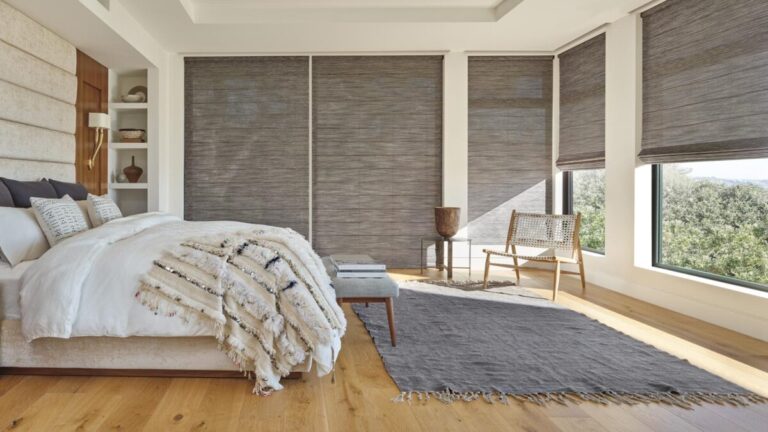
Window treatments affect light control, privacy, energy efficiency, and how a room functions each day. Knowing the types of blinds allows you to choose products based on use, exposure, and layout rather than appearance alone. Materials, lift systems, and slat or fabric design all perform differently over time.

A clear understanding at the start helps avoid glare problems, limited privacy, and premature replacement. This guide is written to support practical, informed buying decisions.

What Are the Main Categories of Blinds and Shades?

Most projects fit into three groups. Each one manages light in a distinct way and supports a different look.

Tilting Blinds and Shutters for Everyday Control

These stay down and tilt open or closed. You set privacy and brightness with a small turn.

  • 2 inch or faux wood blinds for a classic look
  • Venetian styles for fine control of light
  • Plantation shutters in wood, composite, or vinyl
  • Moisture friendly materials for kitchens and baths

Pro Tip: Motorized tilt is now possible on shutters. A small remote or wall switch keeps slats aligned and reduces wear from daily handling.

Fabric Shades That Raise and Lower for Soft Light

These lift up or pull down. Fabric can filter light for a warm glow or block it for sleep.

  • Light filtering for living rooms and offices
  • Room darkening and blackout for bedrooms and media spaces
  • Clean fronts that pair well with simple trim and modern paint

Key Takeaway: If you want a softer feel and smoother glare control, fabric shades deliver results without bulk.

Outdoor Shades for Patios and Porches

Exterior shades cut heat, tame sun, and extend time outside.

  • Manual crank models for simple use
  • Motorized shades that integrate with smart systems
  • Mounting for pergolas, patios, and screened rooms

How Do You Pick the Right Option for Your Space?

Start with how the room works.

  1. Do you adjust light many times a day or set it and leave it.
  2. Do you value privacy, views, or both.
  3. Do you prefer a soft or structured look.
  4. Is glare on screens a daily issue.
  5. Will kids or pets pull on cords.

We match those answers to product features so the result fits your life and your decor.

Need expert help with different types of blinds? Contact One Stop Decorating for a free consultation.

How Do the Different Types of Blinds Compare on Features?

Think about these points as you narrow choices.

  • Control: Tilting styles adjust fast. Fabric styles move as one clean panel.
  • Light: Slatted products shape light. Fabrics filter or block it.
  • Care: Faux wood and composites wipe clean. Smooth fabrics dust easily.
  • Rooms: Blackout fabric fits bedrooms. Faux wood handles baths and kitchens.
  • Budget: Manual controls cost less. Motorization adds ease and value.

Pro Tip: If screens face a bright window, aim for light filtering fabric with glare control. It softens harsh light without making the room dark.

Can You Combine Styles or Add Automation?

Yes. Some shades blend features, like louvered fabric that tilts and also lifts. Motorization is common on many styles and helps with tall windows or hard-to-reach spots. Timers and app control keep rooms cool before you get home.

What About Outdoor Comfort and Durability?

Exterior shades cut the heat on the porch and protect furniture. Manual cranks work well for simple setups. Motorized units help in wide spans and windy spots. Our team sizes hardware and fabric for local sun and weather, so parts last.

In Summary

The Different Types of Blinds fit into three groups. Tilting blinds and shutters offer precise daily control. Fabric shades lift and give soft light or blackout. Outdoor shades extend comfort on patios and porches. Match control, light, care, and budget to the way you live.

We are ready to help you plan, measure, and install. Contact One Stop Decorating today to schedule a free consultation and compare options for your windows.

how to clean faux wood blinds

How to Clean Faux Wood Blinds?

Faux wood blinds collect dust faster than most homeowners expect, and the wrong cleaning approach can wear down the finish over time. When dirt is left to build up, or harsh methods are used, blinds often start to look faded, streaked, or uneven. Knowing how to clean faux wood blinds the right way comes down to routine and restraint. Simple maintenance, done consistently and without heavy water or pressure, keeps the slats looking clean and prevents avoidable damage.

What is the Best Way to Clean Faux Wood Blinds?

The safest method is using a feather duster or soft rag. Wipe across the slats every week or two. This clears away dirt, cobwebs, and pet hair before it settles in. A quick clean works better than waiting until blinds are covered in grime.

Pro Tip: We tell our customers not to overthink it. A simple rag or duster works great and keeps the finish safe.

Should You Use Swiffers or Special Tools?

A lot of customers ask if Swiffers are okay. They may feel handy, but we don’t recommend them. Swiffers can build static, and over time, that may cause issues with the surface.

We’ve always had better luck with rags or feather dusters. They’re safe, cheap, and easy to keep on hand.

Need expert help with faux wood blinds? Contact One Stop Decorating for a free consultation.

Can You Wash Faux Wood Blinds in the Bathtub?

This is one of the biggest mistakes we see. Some people take blinds down and soak them in a tub or even spray them at a car wash. Faux wood blinds aren’t designed for that kind of cleaning.

Here’s what can happen:

  • Slats can bend or warp
  • The finish may get damaged
  • The warranty could be voided

Key Takeaway: Clean blinds where they hang. Heavy water or high pressure won’t improve them; it usually ruins them.

How Often Should You Clean Faux Wood Blinds?

Most of the time, a quick clean every two weeks is enough. If your blinds are near a kitchen, bathroom, or play area, you may need to dust them more often. Grease, steam, and sticky hands add to the buildup.

A steady routine helps your blinds:

  1. Hold their shape and color
  2. Stay free of dust and stains
  3. Last longer without repairs

What About Stains on Other Window Coverings?

Blinds aren’t the only coverings that need care. Fabric shades, especially in kitchens or kids’ rooms, often pick up stains. A safe cleaner is one part Woolite mixed with two parts distilled water. Blot the stain instead of rubbing.

We’ve used this mix to remove everything from food to rust and even red wine. It works well without harming the fabric.

In Summary

Learning how to clean faux wood blinds doesn’t have to be difficult. A duster or rag every couple of weeks is enough to protect the finish. Stay away from tubs, hoses, or strong cleaners since they can damage the blinds and void the warranty.

For fabric shades, a Woolite and water mix is a safe way to handle stains. If you’d like more advice or want to upgrade your window coverings, contact One Stop Decorating today. We’ll help you protect your investment and keep your blinds looking their best.

child safe window treatments

Child Safe Window Treatments Available

Child-safe window treatments are now a standard priority in modern homes. Safety regulations and design improvements have made it easier to protect children and pets without giving up style or comfort.

These window coverings use cordless, motorized, or wand-controlled systems to eliminate hazards linked to cords. Choosing the right child-safe window treatment helps create a safer environment and supports long-term peace of mind for every family.

What Are Child-Safe Window Treatments?

Child-safe window treatments are coverings without loose cords. Cords are a hazard because children or pets can pull on them. Safer options focus on simple ways to raise or lower blinds and shades.

Cordless coverings are one of the most popular choices. You lift or pull the bottom rail instead of using cords.

Benefits of cordless systems:

  • No loose cords to grab
  • Easy to use with one hand
  • Clean, modern look

Pro Tip: Cordless is best for standard windows. For tall or hard-to-reach spots, motorized options work better.

Why Motorized Window Coverings Are the Safest

Motorized coverings take away cords fully. With a remote, switch, or smart system, you can control them without touching the shade.

  • Wand Control: Push a wand up or down for easy movement.
  • Automated Shades: Program them to open or close on a schedule.

Motorized designs are also pet safe. Dogs and cats can’t chew or swat cords that aren’t there. Plus, they add comfort since you can adjust them from anywhere in the room.

The Extra Benefit of Pet Safety

Child safety gets the most focus, but pets face the same risks. Cats like to bat cords, and dogs may chew them. Cordless and motorized options protect everyone.

Key Takeaway: Child-safe coverings are also pet safe. Removing cords helps the whole family stay safe.

How to Choose the Right Safe Option

When we help families, we look at window size, budget, and daily needs. Here’s a simple guide:

  1. Cordless Systems: Best for most windows, affordable, simple to use.
  2. Wand Motorization: Adds safety with basic push control.
  3. Automated Shades: Premium choice with remote and scheduled use.

Need expert help with child safe window treatments? Contact One Stop Decorating for a free consultation.

Why Families Are Switching

Child-safe coverings are now standard in new homes and remodels. Parents want safety and style, and these options give both. Each year, more families choose motorized shades for the added safety and ease.

In Summary

Child-safe window treatments lower risks for kids and pets by removing cords. Cordless, wand motorization, and automated shades are the best options today. Each adds safety and style while making life easier. They also give families peace of mind knowing their home is both safe and functional.

Contact One Stop Decorating today to schedule a free consultation. We’ll help you pick the best fit for your home.

are plantation shutters out of style

Are Plantation Shutters Out of Style Going into 2026?

Questions about what designs are viewed as current or out of style often include plantation shutters because they act as fixed elements that shape light, privacy, and overall room balance.

This overview sets a clear foundation to compare where shutters still fit well and where lighter, more flexible treatments align better with modern design goals.

What Are Plantation Shutters?

Plantation shutters are made of panels with tilting louvers. They mount inside the frame and give the window a structured look.

Features of plantation shutters:

  • Louvers tilt for light or privacy
  • Custom fit to each window
  • Solid and long-lasting
  • Stay in place like a permanent fixture

Pro Tip: If you want a treatment that feels built-in, shutters are one of the best picks.

Are Plantation Shutters Out of Style Going into 2026?

They’re not gone, but we’ve seen less demand in the last couple of years. More homeowners are asking for lighter treatments that let the sun through.

Here’s why interest has shifted:

  • Light control is limited: Louvers are open or closed with little in between.
  • Large windows look broken up: Shutters can cut into that open feel.
  • New homes need light: Open floor plans and tall windows often work better with shades.

Key Takeaway: Plantation shutters are classic, but they don’t always fit with modern, wide-open window layouts.

What Are the Alternatives to Plantation Shutters?

There are plenty of styles that let light in but still give privacy.

Roller and Screen Shades

  • Simple, clean style
  • Block UV rays
  • Roll up when you want a full view

Sheer Shades

  • Soft fabric vanes that tilt
  • Keep the view while adding privacy
  • More flexible than shutters

Motorized Treatments

  • Work by remote or phone
  • Great for tall or hard-to-reach windows
  • Add comfort and ease every day

Need expert help with plantation shutters or shade options? Contact One Stop Decorating for a free consultation.

Do Plantation Shutters Still Work in Some Homes?

Yes, they do. They look right in certain styles, especially homes with a classic or formal touch. Here are the best rooms for shutters:

  • Formal dining rooms
  • Smaller windows that don’t need wide views
  • Homes that want more insulation and privacy

Pro Tip: If you like shutters, use them where they shine. Pair them with softer shades in other rooms for balance.

In Summary

So, are plantation shutters out of style? They’re less common than before, but they still work in the right setting. Newer shades give more light and keep that open feel many families want.

Shutters remain a solid option for those who prefer a timeless, built-in look. On the other hand, shades and motorized options may better suit open layouts and busy lifestyles.

We can help you figure out if shutters fit your home or if a lighter option makes more sense.

Contact One Stop Decorating today for a free consultation on plantation shutters and modern window treatments.

how to clean plantation shutters

How to Clean Plantation Shutters? Do’s & Don’ts

Proper maintenance starts with understanding how to protect and clean the finish on your plantation shutters. These shutters are made to last, offering lasting strength and simple upkeep when cared for the right way. Using safe methods keeps their surface smooth and operating as intended.

At One Stop Decorating, we recommend proven cleaning practices that safeguard the material and extend the life of every shutter. Our approach ensures lasting performance and a consistently refined look.

Why Plantation Shutters Are Easy to Maintain

Plantation shutters are popular because they’re made to last and require very little upkeep. The large louvers make them simple to reach and clean, and their solid construction means fewer parts to worry about. Many homeowners choose shutters for this reason; they stay beautiful and functional with minimal effort.

Designed for Durability

Shutters hold up for years because there are not many working parts that can fail. Their structure makes them stable, reliable, and easy to operate, even after long-term use.

Built for Easy Cleaning

The wide louvers and spacing between each slat allow you to easily fit your hand or cloth through when dusting. For hidden tilt shutters, cleaning is even easier since there’s no tilt rod in the center to work around.

Key Takeaway: Plantation shutters are designed with practicality in mind. Their simple design means they stay cleaner longer and can handle regular upkeep without hassle.

Need expert help with new shutters or maintenance? Contact One Stop Decorating for a free consultation. Our team can guide you in choosing, operating, and caring for your shutters to ensure they last a lifetime.

How to Clean Plantation Shutters Properly

Step 1: Use a Dry Cloth to Dust

A soft, dry cloth is the best tool for removing dust and cobwebs. Simply wipe along each louver, working from top to bottom. The goal is to remove surface debris without applying too much pressure.

Step 2: Use a Damp Rag for Vinyl or Composite Shutters

If your shutters are vinyl or composite, you can use a slightly damp rag to remove any spots or buildup. This helps clean without harming the finish. Avoid soaking the cloth; just damp enough to lift light dirt.

Step 3: Avoid Harsh Products or Chemicals

We don’t recommend using spray cleaners, polish, or any type of chemical solution. These products can damage the finish on your shutters and cause discoloration over time. Keeping cleaning methods simple ensures your shutters last as long as possible.

Pro Tip: A gentle wipe with a dry or slightly damp cloth is all you need. Less is more when it comes to cleaning plantation shutters.

Do’s and Don’ts for Shutter Care

Do’s

  • Dust regularly using a soft, dry cloth.
  • Use a damp rag only on vinyl or composite materials.
  • Open and close the louvers by gently grabbing the louver, not the tilt rod.
  • Teach cleaning staff how the shutters operate before cleaning them.

Don’ts

  • Don’t use harsh cleaners, sprays, or chemicals.
  • Don’t oversaturate the cloth with water.
  • Don’t force the louvers open or closed.
  • Don’t allow anyone unfamiliar with shutter operation to handle them roughly.

Key Takeaway: The right method keeps shutters clean without affecting their finish. Gentle, consistent cleaning is the best long-term approach.

Why Proper Cleaning Prevents Damage

Some people bring in broken blinds for repair because they or their cleaning staff weren’t familiar with how to operate them. Plantation shutters don’t have that problem. They’re easy to open, close, and maintain, making them one of the most durable window treatments available.

Keep Your Shutters Looking New for Years

Learning how to clean plantation shutters correctly keeps them looking their best for years. Use a dry cloth for dusting, a damp rag for light cleaning, and never use chemicals or sprays that can harm the finish. These simple steps protect both the look and longevity of your shutters.

At One Stop Decorating, we take pride in helping homeowners get the most from their window treatments. If your shutters need care, replacement, or a design update, reach out today to schedule your free consultation.

how to measure windows for blinds

How to Measure Your Window for Blinds & Shutters?

Accurate numbers are the foundation of any window covering project because they determine how well the product will fit and operate. When the measurements are correct, you avoid gaps, improve privacy, and get a cleaner finished look. This guide explains how to measure a window for blinds and shutters in a clear and practical way. With the right steps, you can plan your budget, compare options, and move forward with confidence.

Why Accurate Measurements Matter

Correct measurements are the key to a custom fit. If the numbers are off, your blinds or shutters may leave gaps, not close well, or reduce privacy.

Different windows need different approaches:

  • Shallow windows often need coverings that mount outside the frame.
  • Casement windows are deeper and allow for inside mounts.
  • Egress windows are even deeper, offering more options.

Pro Tip: Always check window depth before you choose a style. It can change what product works best.

Need expert help with blinds & shutters? Contact One Stop Decorating for a free consultation.

How to Measure Inside the Window Frame

Inside mounts sit within the frame for a clean look. To measure:

  1. Measure width at the top, middle, and bottom.
  2. Measure height on the left, center, and right sides.
  3. Record the smallest numbers for each.

This shows if the frame is uneven. Using the smallest numbers ensures a snug fit.

Key Takeaway: Always use the smallest measurement for inside mounts.

How to Measure Outside the Window Frame

Outside mounts cover more space and can make windows look bigger. They are also a good option if the window frame is not even.

  • Measure the width and height of the area you want to cover.
  • Add a few inches to block more light and improve privacy.

Outside mounts are ideal for shallow windows or if you want a bold frame look.

Setting a Budget With Measurements

With accurate numbers, you can get fair quotes and plan your spending. Measuring helps you:

  • Compare blinds and shutters by size and price
  • Plan room by room or for the whole house
  • Choose products that meet your needs without guesswork

Pro Tip: Start with a simple range based on your window sizes. This keeps your project on track.

Professional Help for Better Results

Measuring can feel tricky, even with a guide. Working with a local expert saves time and prevents errors. At One Stop Decorating, we offer free window measuring, style advice, and the right fit for every window type.

In Summary

Knowing how to measure your window for blinds & shutters makes the process easier. Start with inside and outside checks, note the depth, and use the smallest numbers for a proper fit. Then set your budget and compare options with clear details in hand.

Contact One Stop Decorating today to schedule a free in-home measure and consultation. We’ll make sure your blinds and shutters fit right and look great.

modern window treatment ideas

2025 Modern Window Treatment Ideas for Every Budget and Style

Window coverings change more than looks. They give shade, add privacy, and help with comfort. A bedroom may need blackout. A living room may need soft light. Every room calls for its own setup. Modern window treatment ideas include shades, blinds, and panels. Some keep heat out. Others block glare or protect furniture. The right choice is the one that fits how you use the space every day.

What Are the Most Popular Modern Window Treatment Ideas?

We guide clients through the top styles we install most often. Each option has its own benefits.

Soft Shades That Filter Light

Soft shades are one of the most popular modern window treatments. They allow natural light to pass through but still protect privacy. You can raise them for a view or lower them for comfort. Fabric designs also give a softer finish compared to wood or metal.

Pro Tip: Use soft shades in spaces where you want natural light but also privacy.

Layered Treatments for Flexibility

Layering treatments, like pairing shades with side panels, gives more control. During the day, use the shades. At night, close the panels for extra privacy. This approach also adds depth to the room.

What Factors Should You Consider Before Choosing?

The right choice depends on your goals. We ask a few key questions to narrow the options.

Do You Need Light Control or Privacy?

Some families need blackout coverage in bedrooms. Others want soft light in living rooms. Fabrics and shade styles can handle either.

Is Safety a Concern?

Cordless styles are best for families with kids or pets. They remove dangling cords and make the treatment easier to use.

Do You Want Energy Savings?

Some treatments help lower bills by keeping heat in during winter and blocking the sun in summer. Honeycomb shades are a common choice for this need.

Key Takeaway: Decide if your top goal is privacy, energy savings, or style. That guides the best choice.

Need expert help with modern window treatment? Contact One Stop Decorating for a free consultation.

Which Modern Window Treatment Styles Work Best in Different Rooms?

Each room has different needs. Here are some common matches.

Living Room Styles

Soft fabric shades or layered panels work well here. They bring in light without giving up privacy.

Bedroom Options

Blackout shades or lined curtains are best for sleeping. They create full coverage and help control temperature.

Kitchen and Dining Rooms

Choose simple, easy-to-clean styles. Roller shades and flat fabrics hold up well where spills and steam happen often.

How Do Modern Window Treatments Add Value?

New treatments are about more than looks. They also protect and improve your home.

  • Block glare on TVs and screens
  • Keep rooms cooler in summer
  • Protect furniture from fading
  • Add safer, cordless designs for kids and pets

In Summary

Modern window treatment ideas can improve light, privacy, and comfort in every room. From soft shades to blackout options, there is a solution for every need. The right treatment saves energy, keeps your family safe, and adds style.

Contact One Stop Decorating today to set up your free consultation. Our team will guide you to the best modern options for your space.