Window treatments affect light control, privacy, energy efficiency, and how a room functions each day. Knowing the types of blinds allows you to choose products based on use, exposure, and layout rather than appearance alone. Materials, lift systems, and slat or fabric design all perform differently over time.
A clear understanding at the start helps avoid glare problems, limited privacy, and premature replacement. This guide is written to support practical, informed buying decisions.
What Are the Main Categories of Blinds and Shades?
Most projects fit into three groups. Each one manages light in a distinct way and supports a different look.
Tilting Blinds and Shutters for Everyday Control
These stay down and tilt open or closed. You set privacy and brightness with a small turn.
- 2 inch or faux wood blinds for a classic look
- Venetian styles for fine control of light
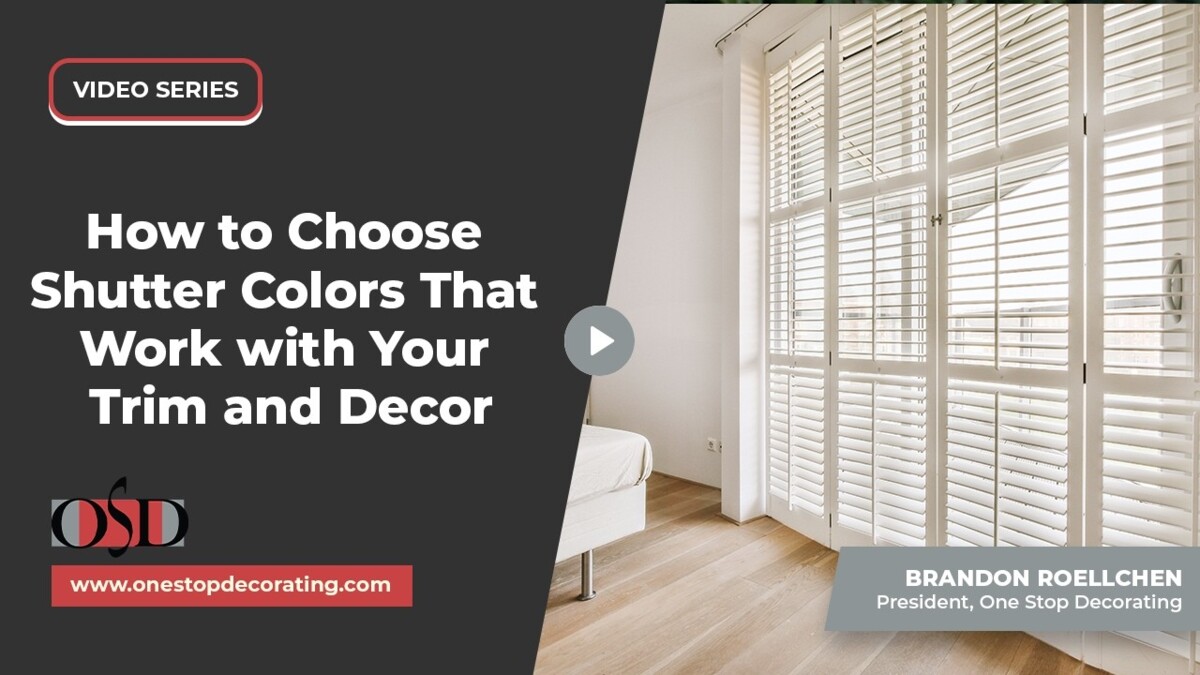
- Plantation shutters in wood, composite, or vinyl
- Moisture friendly materials for kitchens and baths
Pro Tip: Motorized tilt is now possible on shutters. A small remote or wall switch keeps slats aligned and reduces wear from daily handling.
Fabric Shades That Raise and Lower for Soft Light
These lift up or pull down. Fabric can filter light for a warm glow or block it for sleep.
- Light filtering for living rooms and offices
- Room darkening and blackout for bedrooms and media spaces
- Clean fronts that pair well with simple trim and modern paint
Key Takeaway: If you want a softer feel and smoother glare control, fabric shades deliver results without bulk.
Outdoor Shades for Patios and Porches
Exterior shades cut heat, tame sun, and extend time outside.
- Manual crank models for simple use
- Motorized shades that integrate with smart systems
- Mounting for pergolas, patios, and screened rooms
How Do You Pick the Right Option for Your Space?
Start with how the room works.
- Do you adjust light many times a day or set it and leave it.
- Do you value privacy, views, or both.
- Do you prefer a soft or structured look.
- Is glare on screens a daily issue.
- Will kids or pets pull on cords.
We match those answers to product features so the result fits your life and your decor.
Need expert help with different types of blinds? Contact One Stop Decorating for a free consultation.
How Do the Different Types of Blinds Compare on Features?
Think about these points as you narrow choices.
- Control: Tilting styles adjust fast. Fabric styles move as one clean panel.
- Light: Slatted products shape light. Fabrics filter or block it.
- Care: Faux wood and composites wipe clean. Smooth fabrics dust easily.
- Rooms: Blackout fabric fits bedrooms. Faux wood handles baths and kitchens.
- Budget: Manual controls cost less. Motorization adds ease and value.
Pro Tip: If screens face a bright window, aim for light filtering fabric with glare control. It softens harsh light without making the room dark.
Can You Combine Styles or Add Automation?
Yes. Some shades blend features, like louvered fabric that tilts and also lifts. Motorization is common on many styles and helps with tall windows or hard-to-reach spots. Timers and app control keep rooms cool before you get home.
What About Outdoor Comfort and Durability?
Exterior shades cut the heat on the porch and protect furniture. Manual cranks work well for simple setups. Motorized units help in wide spans and windy spots. Our team sizes hardware and fabric for local sun and weather, so parts last.
In Summary
The Different Types of Blinds fit into three groups. Tilting blinds and shutters offer precise daily control. Fabric shades lift and give soft light or blackout. Outdoor shades extend comfort on patios and porches. Match control, light, care, and budget to the way you live.
We are ready to help you plan, measure, and install. Contact One Stop Decorating today to schedule a free consultation and compare options for your windows.